
Organization of the Institute of Kinesiology of KIFST
The main task of the Institute of Kinesiology is to conduct scientific research and transfer knowledge in order to improve work in the field of kinesiology and related disciplines. The activities of the Institute are hierarchically organized and include teaching, scientific and commercial activities. The Institute operates within the framework of graduate, professional, specialist and doctoral studies of the Faculty of Kinesiology, where teaching activities include laboratory exercises and research that enable students to collect data for final and diploma theses. The scientific work of the laboratory includes independent and team research by Faculty employees, which strengthens the scientific and research reputation and dissemination of KIFST’s scientific results. The laboratories also conduct research within the framework of collaborative projects in which Faculty employees are leaders or partners. The members of the Institute are scientists, teachers, associates, junior researchers and external collaborators of the Faculty. The Institute is organized through three specialized laboratories: Laboratory for Kinanthropology, Laboratory for Kinesiological Biochemistry and Laboratory for Kinesiological Physiology . In addition to the above, the plan is to establish a laboratory for biomechanics , sports games and psycho-sociology .
In addition to laboratory testing, the Institute also conducts field testing with the aim of collecting data for scientific research or field exercises in individual teaching subjects. These are mainly kinesiological tests conducted with the Institute’s portable equipment. Equipment used in field research: power assessment system – Opto Jump, power assessment system – Opto Gait, speed and power assessment system – Powertimer, portable ergospirometer – K5 – COSMED, spirometer – MR Spirolab, anthropometric set – Harpenden, skinfold caliper – Harpenden, portable radar gun – Pocket Radar Ball Coach, stationary radar – Supido.
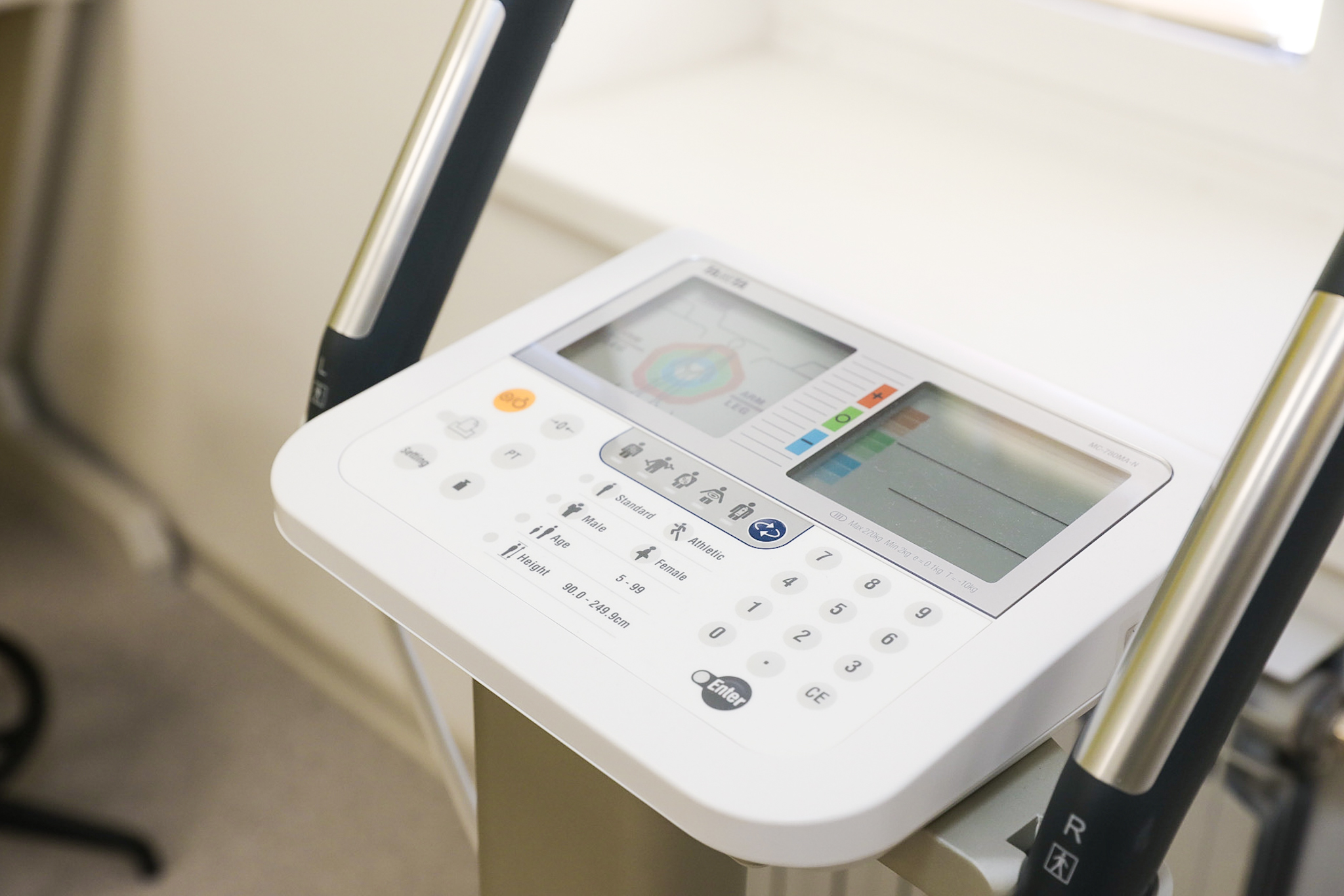
The laboratory operates within the Department of Anthropological Kinesiology and Health, especially in the subjects ” Kinesiological Anthropology “, ” Sports Medicine ” and other subjects that study the physical constitution of athletes and physically active people. It is equipped with modern equipment for anthropometric measurements and analysis of body composition of athletes, recreationally active people and the general population. The goals and activities of the laboratory include studying the connection between physical activity and health, the importance of body composition and body dimensions for performance in certain sports and sports disciplines, and research into different methods of determining body composition, with a special focus on their accuracy and precision in the athlete population. The laboratory is equipped with devices for assessing body composition and a complete set of anthropometric instruments. The laboratory also has a device for determining body composition TANITA BC 418 and an ultrasound device for determining bone age BAUSport – SonicBone.
Laboratory members: Dr. Marijana Geets-Kesić, MD, PhD, Mia Perić, PhD
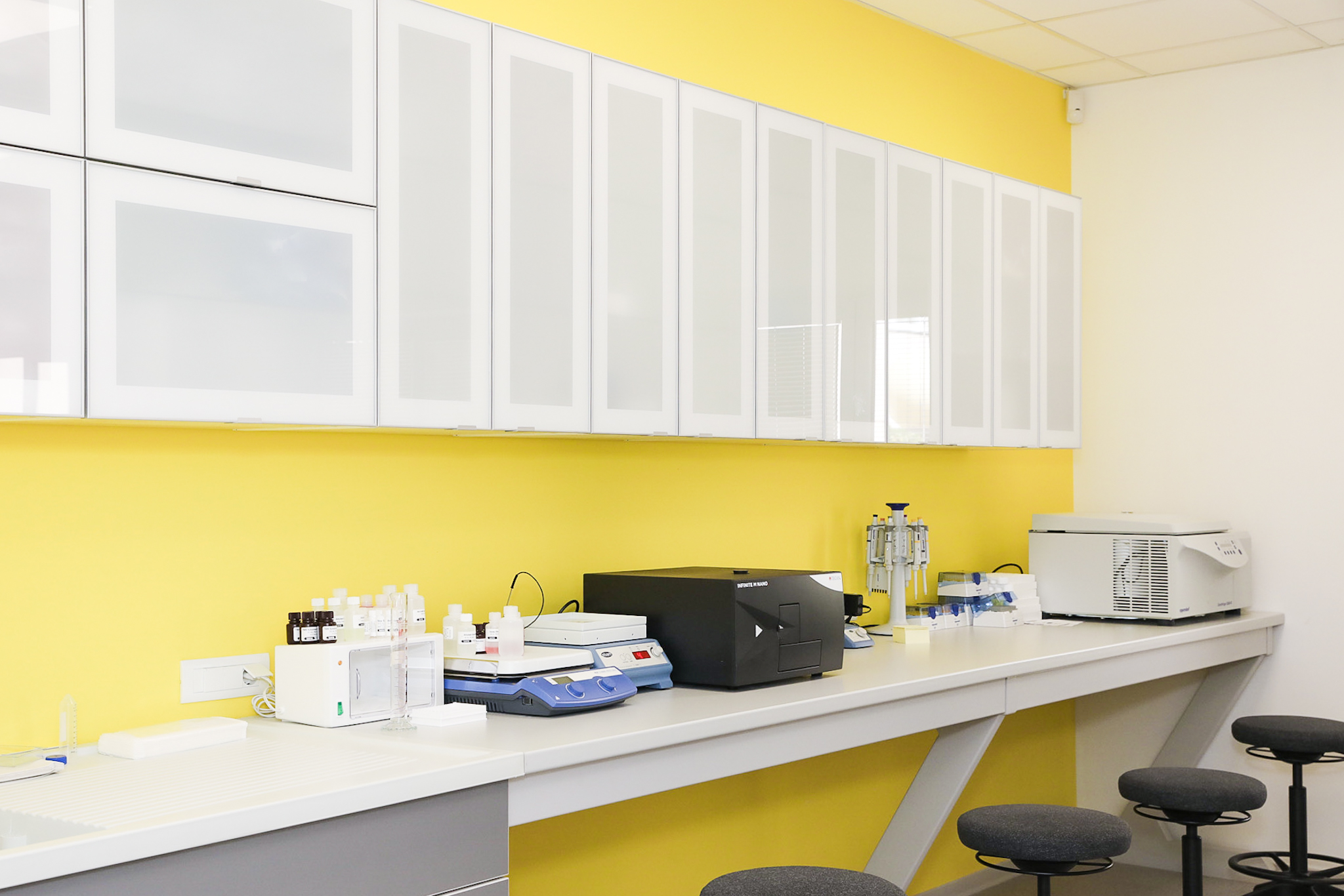
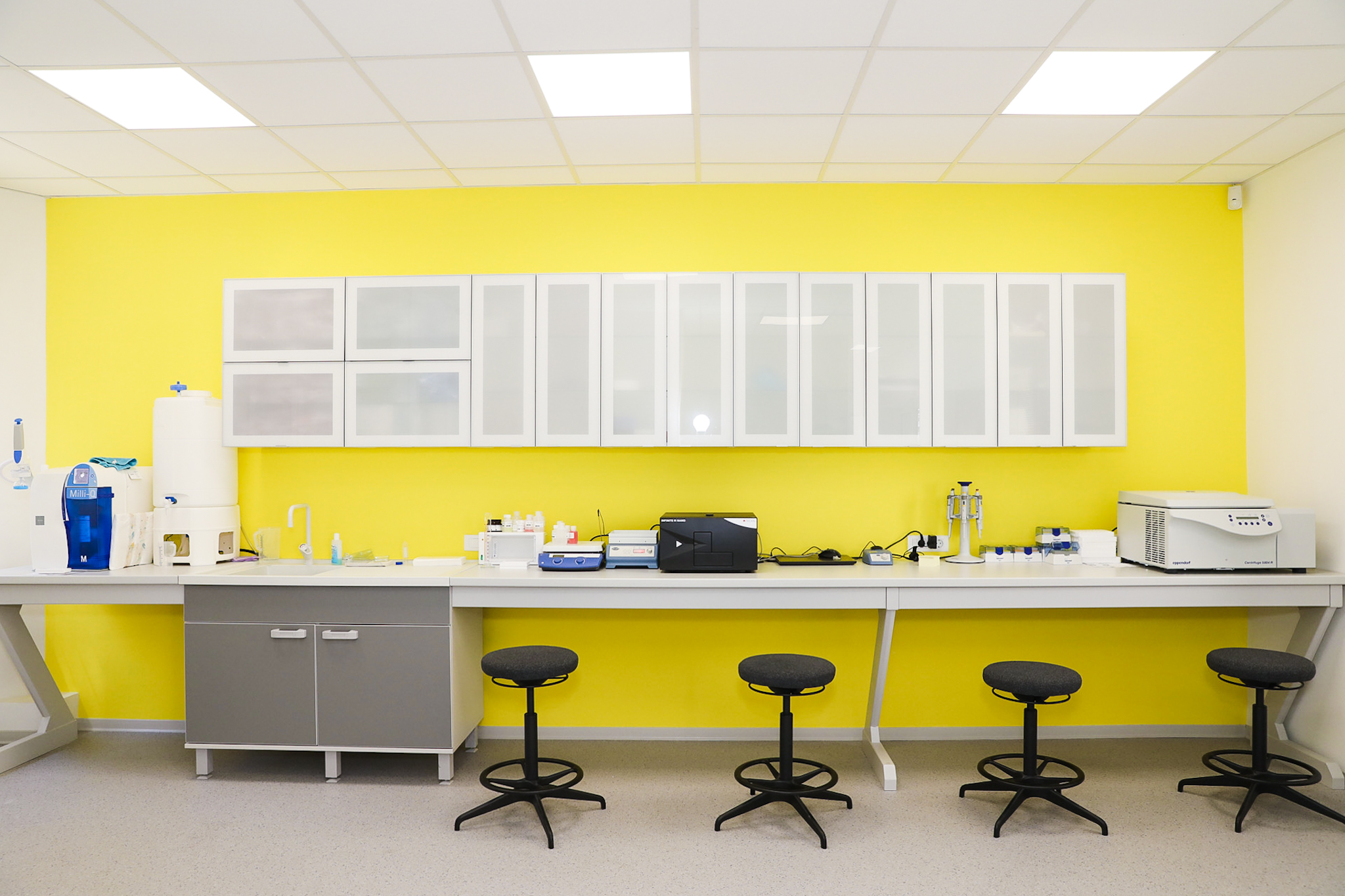
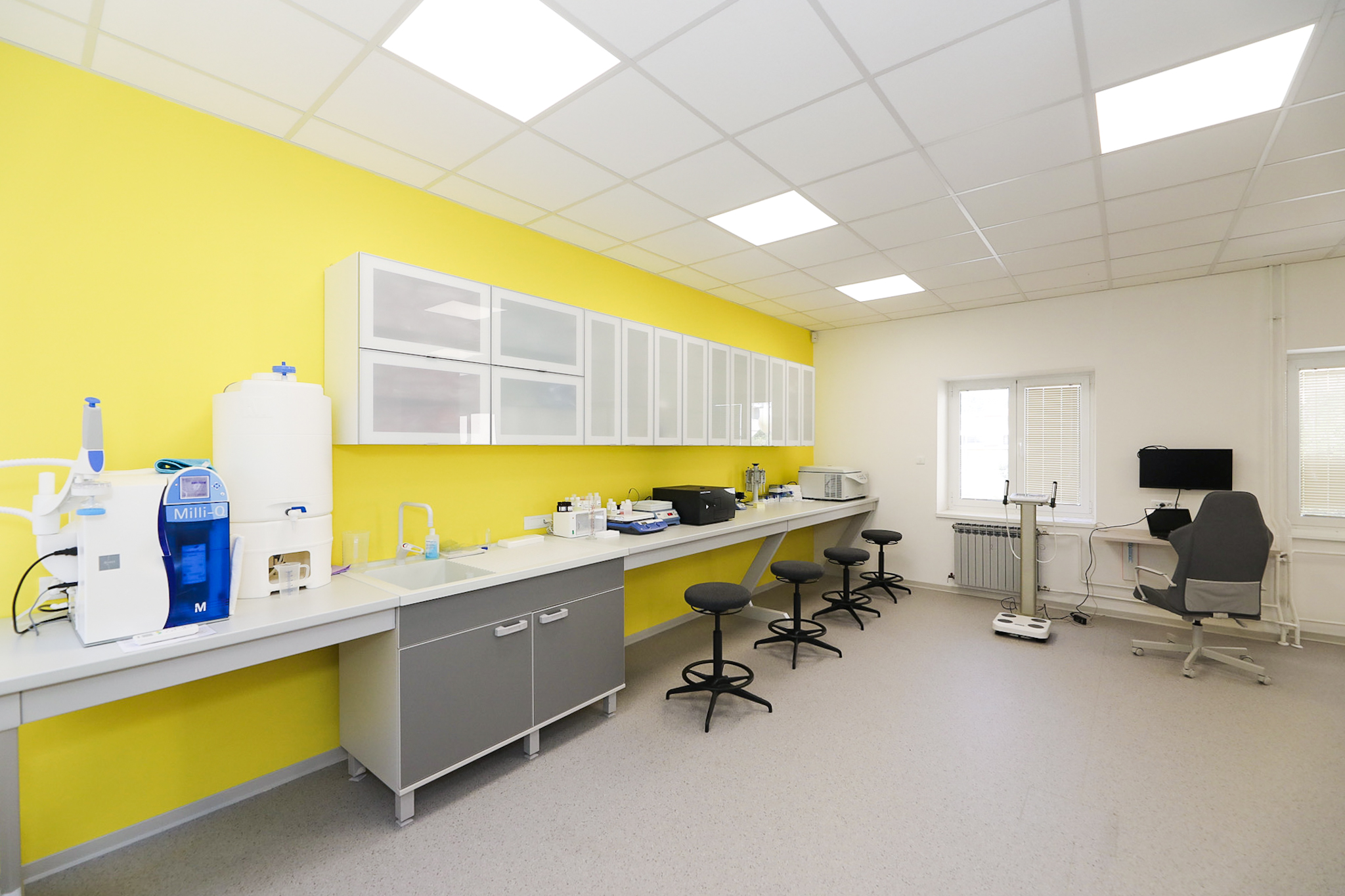
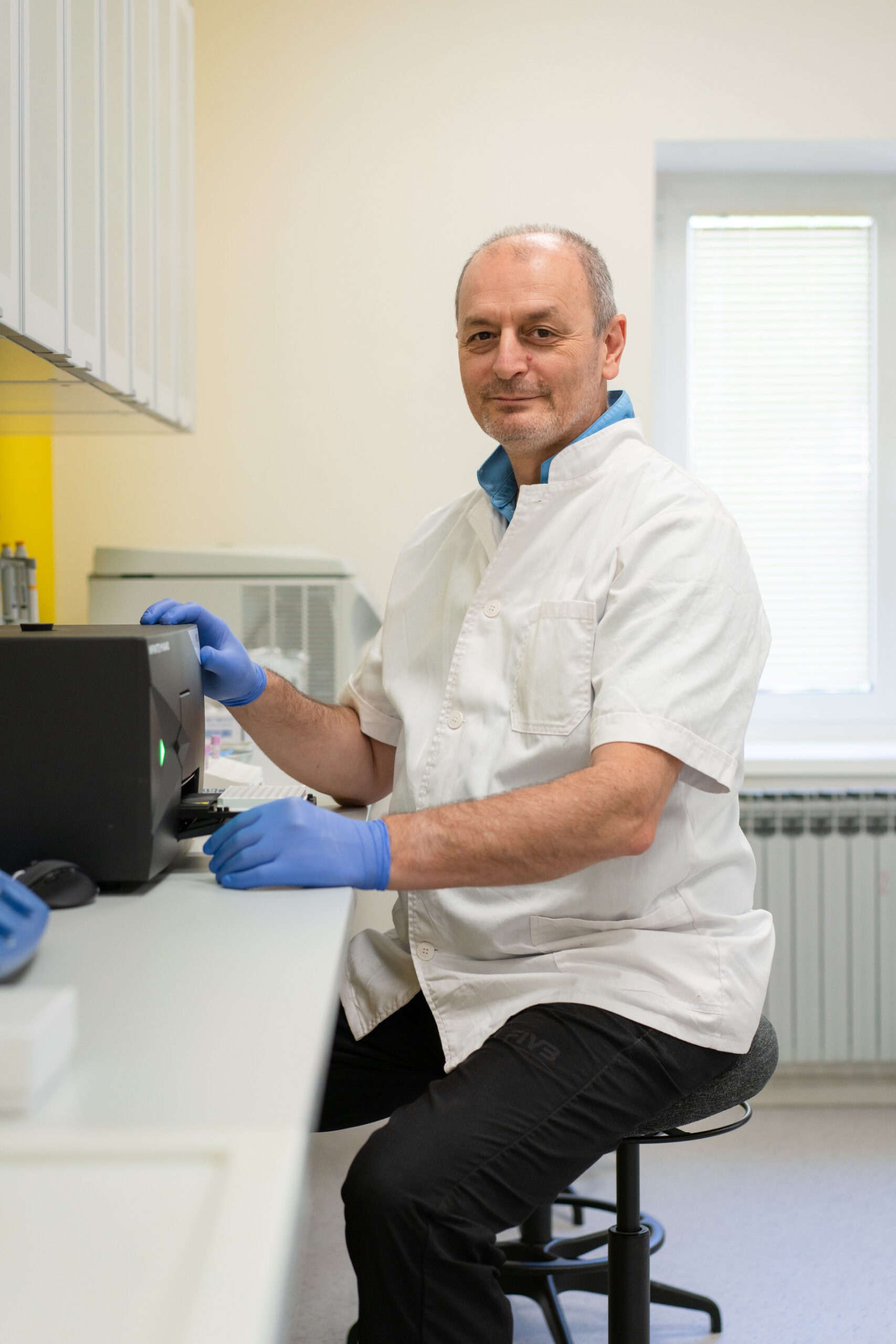
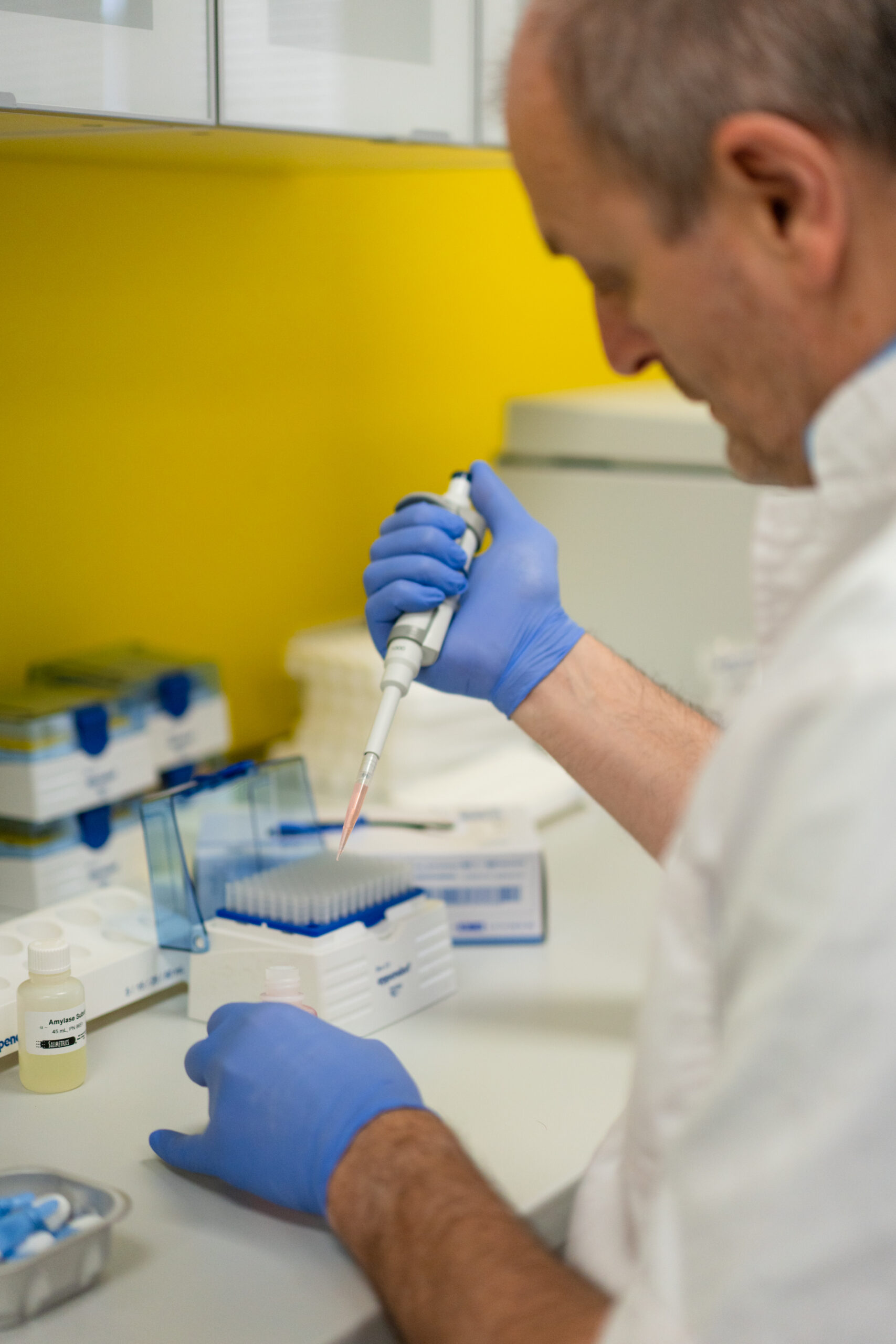
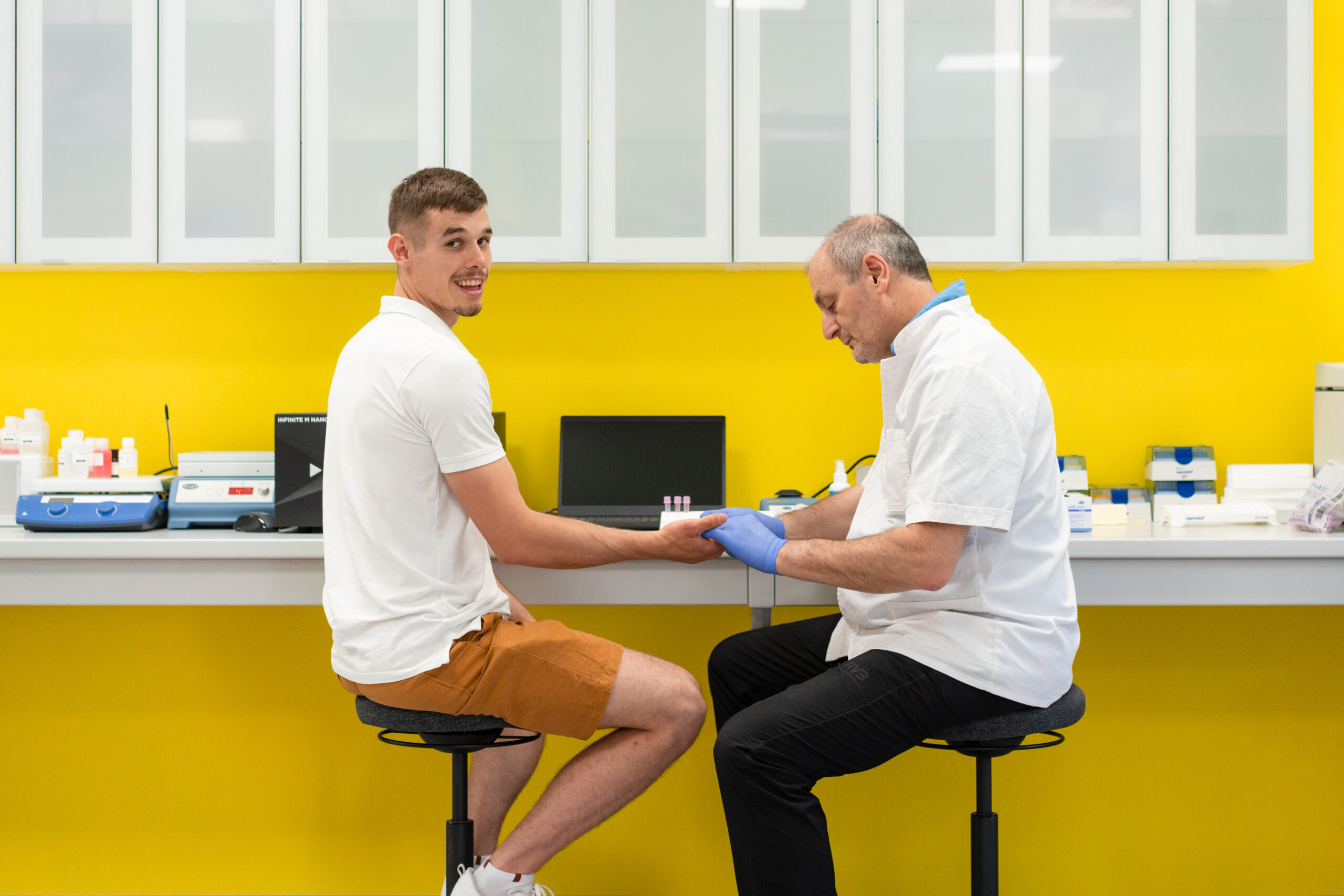
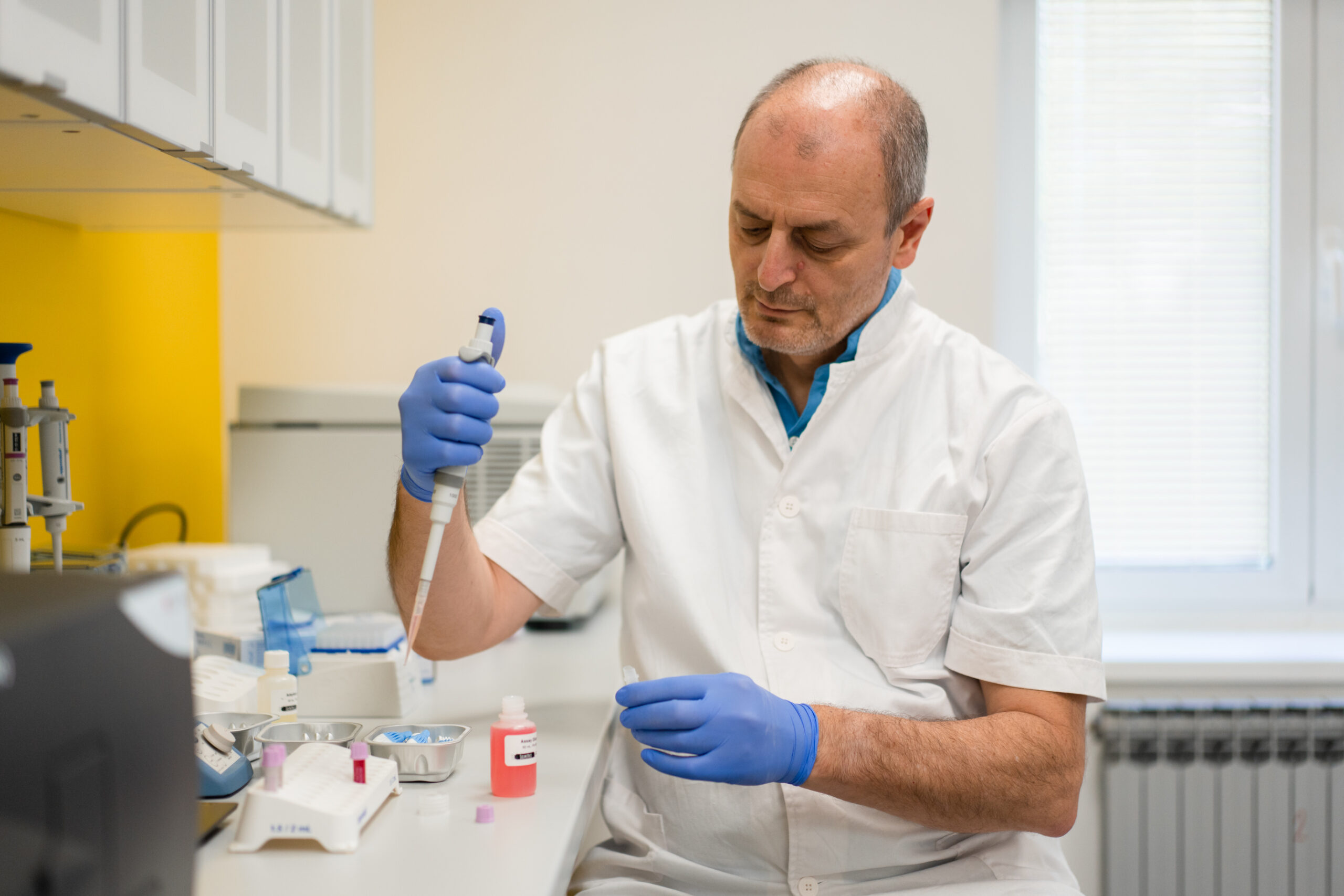
The laboratory operates within the Department of Anthropological Kinesiology and Health and is particularly connected to teaching the subjects “Kinesiological Physiology 1 and 2”, “Sports Medicine”, “Kinesiological Recreation”, “Physical Activity and Health”, “Doping” and other related courses. It has an important educational role because it enables students to acquire practical knowledge in the field of biochemical analysis and research methods applicable in kinesiology and sports medicine. In addition to education, its function is also to conduct scientific research that analyzes changes in metabolism, hormonal responses to fatigue and recovery. Despite a wide range of research topics, the main area of scientific interest of the Faculty’s researchers in this area is stress biomarkers before, during and after various physical activities and sports training and competitions. The laboratory has the following scientific equipment: spectrophotometer INFINITE M NANO – TECAN, centrifuge Centrifuge 5804 R – Eppendorf, device for producing pure water Mili-Q – Millipore, agitator – Stuart, agitator – IKA, refractometer – ATAGO.
Laboratory members: Zoran Nikolovski, MD, PhD, Nikola Foretić, PhD
The laboratory operates within the Department of Anthropological Kinesiology and Health, and laboratory exercises of the teaching subjects ” Sports Medicine”, “Kinesiological Physiology 1 and 2”, “Water Sports “, ” Applied Medicine in Kinesiology and Sports ” and ” Exercise Physiology ” take place in it. In the laboratory, ergospirometric tests are mainly carried out on a moving carpet, a bicycle ergometer and a rowing ergometer with the aim of determining the functional abilities of athletes. The laboratory has several ergometers for dosed loading of athletes, biochemical devices for lactate and basic biochemical diagnostics, while the laboratory has the following equipment as capital scientific equipment: stationary ergospirometer Quark – COSMED, portable ergospirometer K5 – COSMED, spirometer – MR Spirolab, EKG device EDAN SE301, balance measurement device Balance system – Biodex, tensiomyograph for determining the contractile properties of skeletal muscles – TMG S1.
Laboratory members: Zoran Nikolovski, MD, PhD, Nikola Foretić, MD, PhD, Vladimir Ivančev, MD, PhD.
Kinanthropometry includes small anthropometry up to 12 anthropometric measurements, large anthropometry up to 35 anthropometric measurements, body composition assessment using the TANITA 418 device with a written report and interpretation, determination of somatotype in combination with large anthropometry, and approximation of biological age and prediction of final body height using the sitting height measurement method, with a written report and interpretation.
Motor ability analysis includes assessment of explosive power such as jumping on a platform, basic jumping tests, explosive power tests such as throwing by measuring distance or speed, measurement of explosive power such as speed using photocells, basic agility tests, and assessment of dynamic and static balance on the Biodex device.
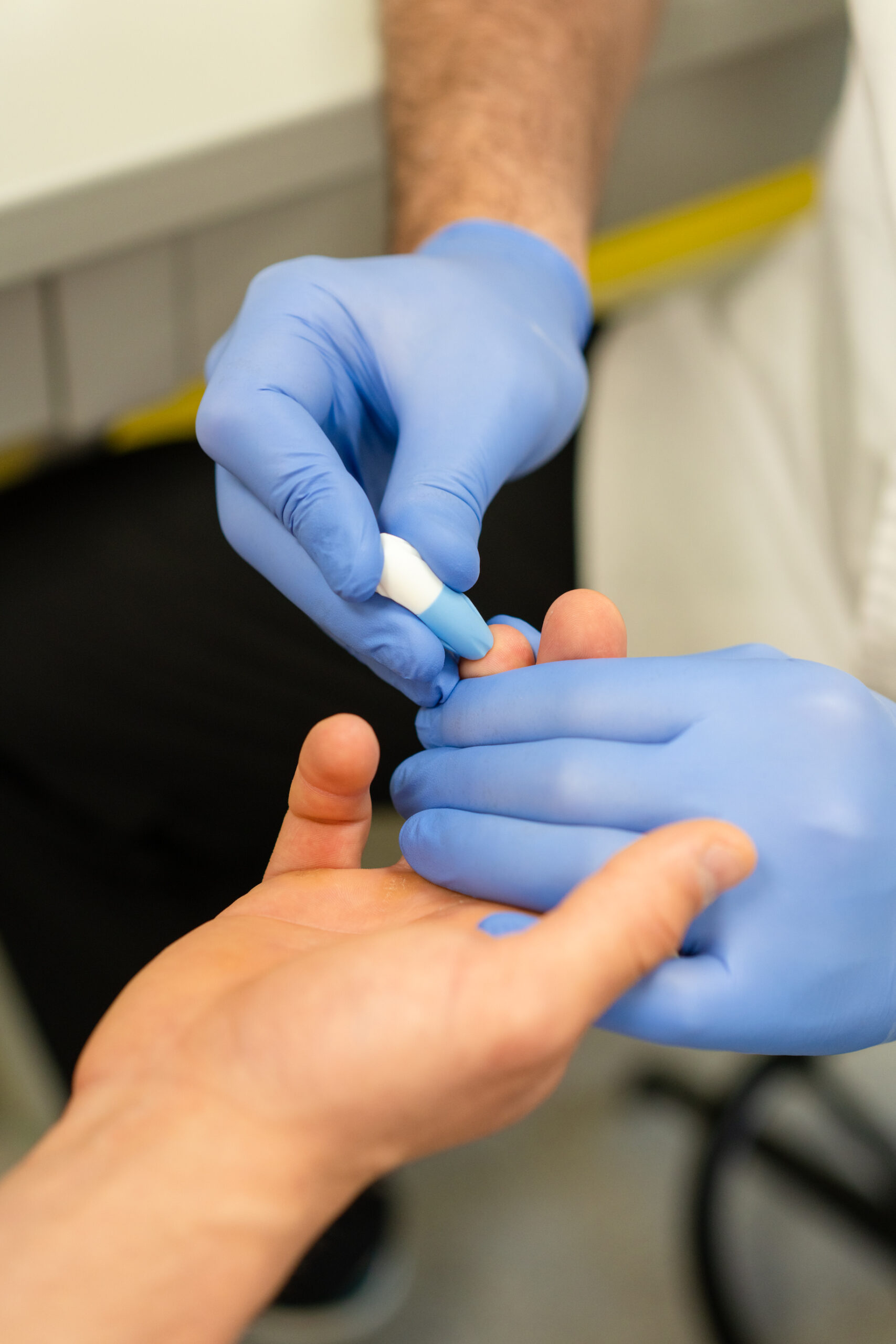
Functional capacity analysis is carried out through laboratory and field diagnostics. Laboratory diagnostics include spirometry, progressive exercise tests with heart rate measurement, spiroergometric testing, and determination of individual heart rate zones. Field diagnostics include progressive exercise tests, heart rate measurement during training, matches, or sports activities, measurement of blood lactate concentration, and creation of a lactate curve with analysis of aerobic and anaerobic thresholds.
Psychodiagnostics includes individual psychodiagnostics of athletes, the use of psychological tests and questionnaires, interviews with athletes, coaches, members of the professional staff or parents of children and young athletes, situational monitoring of behavior during training or competition, analysis of group dynamics in team sports, and supervision hours.
Posture and functional movement pattern analysis includes posturography and assessment of balance at rest, posturography and balance while walking, analysis of standing posture, analysis of foot status, and assessment of functional movement patterns using the FMS test and Y-Balance test, with the aim of determining functional asymmetries and risk of injury.
Analysis of contractile properties of muscles is performed using the tensiomyography method, a non-invasive diagnostic method that assesses the functional state of muscles and their contractile characteristics. The service can be performed for the whole body or for selected superficial muscles.
Special diagnostic packages include combined services of motor skills assessment, anthropometry, spirometry, spiroergometry and sport-specific tests. Special packages are intended for athletes, sports schools, young athletes, Croatian Olympic Committee programs and users who need comprehensive sports-functional diagnostics.
Complete sports-functional diagnostics includes analysis of body posture and body composition, assessment of locomotor system functionality, measurement of trunk stabilization, functional examination, assessment of balance, joint mobility, risk of sports injuries and overuse syndrome, measurement of cardiac and respiratory functions, assessment of basic movement patterns, measurement of explosive and reactive strength, speed of movement, sprinting and changes in direction of movement, spiroergometric testing, assessment of specific sports endurance, and qualitative and quantitative analysis of dietary habits.
The Institute also provides services for the preparation of professional studies and reports , with the price being formed and negotiated depending on the scope, complexity and specifics of the work assignment.